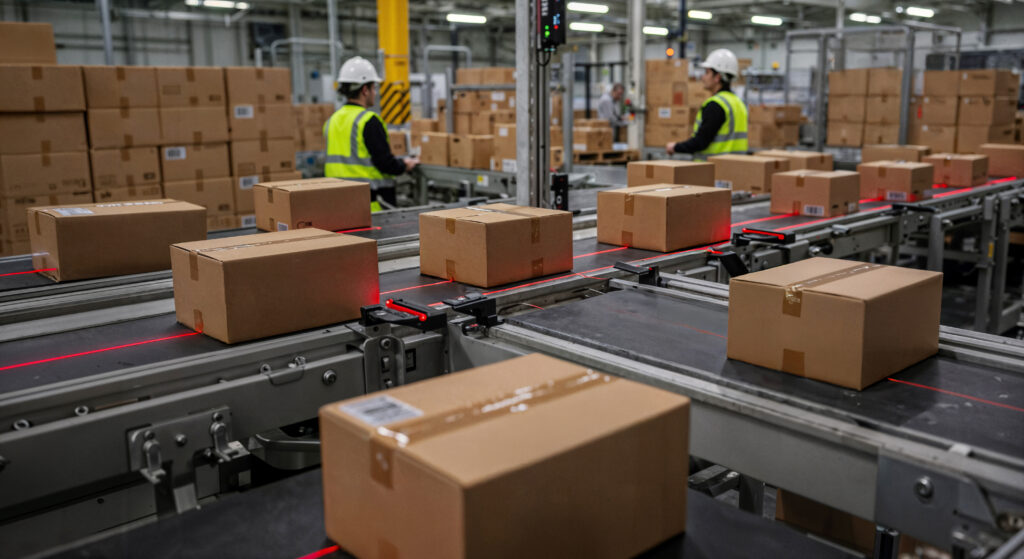
B2B Fulfillment 2026: Learn how fulfillment works and how order management supports it. Plus, see where the industry is heading and tech trends. Read more!
See how order fulfillment works, how it impacts cost, speed & accuracy; plus 5 ways to improve 3PL efficiency in B2C & B2B fulfillment. Read more today!
What is temperature controlled warehousing? See how it works, including storage types, temperature zones & climate-controlled warehouse space. Read more!
Reverse logistics turns returns and unsold inventory into recovered value through inspection, rework, and resale paths. Get the steps and tips. Read more!
Learn the difference between 3PL and 4PL, how they work together, and which option supports your supply chain goals, scale, and control needs. Read more!
Pick, pack, and ship is the core warehouse fulfillment workflow. See how all three work together to reduce errors, speed delivery & scale output. Read on!
See how kitting differs from assembly, why both matter in warehousing, and how 3PLs support bundles, custom SKUs, and smoother fulfillment. Read more now!
Need flexibility? Value-added warehousing and distribution services help you customize orders, cut errors & ship faster from one inventory pool. Read more!
Understand 3PL meaning, core services, real-world examples, and the benefits of outsourcing logistics for scale, visibility, and efficiency. Read more now!