Product rework helps turn small product issues into manageable fixes before they disrupt the wider supply chain.
A wrong barcode, damaged carton, or incorrectly configured product does not always need to stop inventory from moving forward.
With the right rework process, goods can be corrected at the factory or warehouse level before they become an issue or lost inventory.
Key Takeaways
- Product rework corrects products, finished goods, or packaging that cannot move forward as-is.
- At the warehouse level, rework often includes relabeling, barcode correction, repacking, and retailer-compliance updates.
- At the manufacturing level, it usually means correcting a nonconforming product, part, or production lot.
- The goal is to make usable inventory fit for sale, shipment, restocking, or the next step in the supply chain.
- Rework helps recover inventory value, reduce waste, avoid chargebacks, and protect brand standards.
What Is Product Rework?
Product rework is the process of correcting or modifying a finished product or its packaging so it meets quality or merchant requirements and becomes fit for sale or ready for the next step in the supply chain. It is typically applied to goods that are damaged, mislabeled, defective, or incorrectly configured, fixing the problem rather than scrapping the items.
Product Rework Warehousing
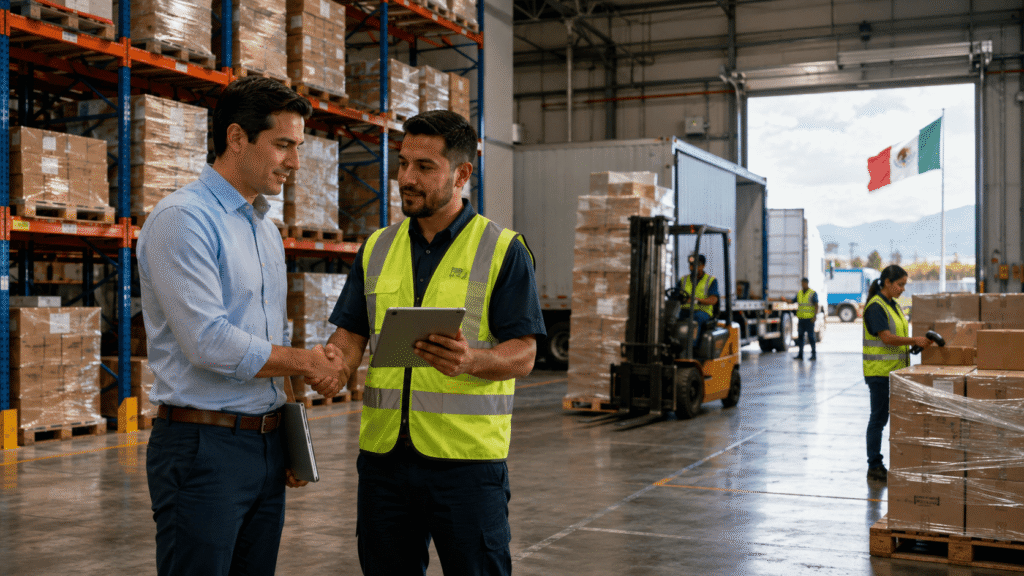
In a warehousing and distribution setting, product rework usually focuses on fixing packaging, labeling, configuration, or presentation issues in finished goods, or making the adjustments needed after they have left the normal production flow.
Once an issue is identified, the warehouse team can isolate the affected inventory, apply the needed fix, and prepare the stock to move forward without sending it back upstream.
Even though the exact rework steps depend on the product and the customer requirements, the goal remains the same: make usable inventory ready to ship, sell, restock, or enter a retailer’s distribution network without sending it back to the original manufacturer.
Rework In Manufacturing
On the production level, rework has a quality control meaning. It usually refers to correcting a nonconforming product, part, or production lot so it meets the original specifications or required quality standards.
This can involve repairing, reprocessing, adjusting, or repeating a production step before the product is released or shipped, or re-enter the market in cases of product recalls.
What Do Rework Companies Do?
Rework companies correct products, finished goods, or packaging that cannot move forward in their current condition, including inventory affected by product recalls. Depending on where the issue happens, this can include manufacturing-level corrections or warehouse-level rework.
11 Benefits Of Product Rework
Once products leave production, 3PL rework services give businesses a controlled way to protect inventory value after goods have already reached the warehouse. Some of the benefits include:
1. Cost-Effectiveness
Local or nearshore rework is significantly cheaper than returning defective items to offshore manufacturers.
2. Faster Turnaround
Reworking products near their distribution point takes much less time than returning goods to an overseas factory.
3. Inventory Availability
Rapid correction keeps products moving toward fulfillment with minimal disruption, helping shippers meet demand during seasonal peaks or promotional events.
4. Value Recovery
Rework helps recover revenue from products that would otherwise be rejected, discarded, or scrapped due to minor flaws.
5. Waste Reduction
Recovering goods with packaging, labeling, or configuration issues reduces environmental waste and minimizes inventory losses.
6. Fewer Penalties
By ensuring products meet strict retailer standards, you can avoid vendor compliance penalties and chargebacks from major retailers like Amazon and Walmart.
7. Regulatory Alignment
Rework helps products meet federal standards, such as CPSC, FDA, or USDA requirements, for labeling, safety, and compliance.
8. Inventory Reconfiguration
Adapting existing inventory for new sales formats, such as converting store stock into e-commerce bundles or gift sets, improves distribution flexibility.
9. Marketing Updates
You can update packaging to reflect rebranding, seasonal promotions, or price changes without discarding current inventory.
10. Brand Integrity
By catching and fixing errors before they reach the consumer, you protect your brand reputation and ensure only high-quality, correctly labeled items are delivered.
11. Streamlined Operations
Integrating rework into your fulfillment center helps identify recurring issues, establish clear procedures, and improve the overall supply chain workflow.
Product Rework Examples & Use Cases
Looking at real-world product rework examples shows how small corrections can recover inventory, prevent waste, and keep goods moving through the supply chain.
Packaging Rework Returns Stopped Inventory To Shipping
A few years ago, Helen of Troy, the global consumer products company, entered discussions with the EPA (Environmental Protection Agency), over claims printed on the packaging of certain air and water filtration products.
Though there were no quality, safety, or performance issues raised, the company voluntarily paused shipments of the affected items, despite the financial impact.
Because the products themselves conformed and only the packaging statements were wrong, the stock was correctable rather than scrap. Helen of Troy resumed normalized shipping and completed the repackaging and relabeling of existing inventory the following fiscal year, later extending the effort to additional lines.
Pre-Shipment Rework Keeps Orders Inside Retailer Compliance Rules
Major retailers such as Walmart, Amazon, and Target run strict vendor-compliance programs, issuing chargebacks for inaccurate carton labeling, incomplete advance ship notices (ASNs), and missed delivery windows.
For suppliers, clean shipment data, correct labels, and proper routing-guide execution are what stand between an order and a costly deduction at the receiving dock.
Correcting these issues before dispatch is a clear fulfillment-rework function. Reprinting carton labels, fixing packing lists, and completing shipment documentation while goods are still in the warehouse helps prevent receiving delays and margin-eroding deductions.
Repacking Rework Returns Finished Goods To A Saleable Format
A herb and spice company faced two lots of finished goods that could no longer be sold as packaged:
- An organic tea with a paperwork issue that made it impossible to be sold as organic.
- A batch of one-pound bags that would sell better in a half-pound format because of price and customer demand.
In both cases, the goods were food-safe and usable.
The company considered various rework options, including:
Organic tea: Removing the sealed tea bags from organic boxes and repacking them into conventional packaging so they could be sold as non-organic tea.
One-pound bags: Repacking the finished 1 lb bags into 1/2 lb bags, with new lot numbers and item codes while keeping the original stock traceable.
Both product reworking solutions would eventually help turn inventory that had left the normal product flow to a compliant, saleable state.
Handle Product Rework With A Nearshore 3PL In Mexico
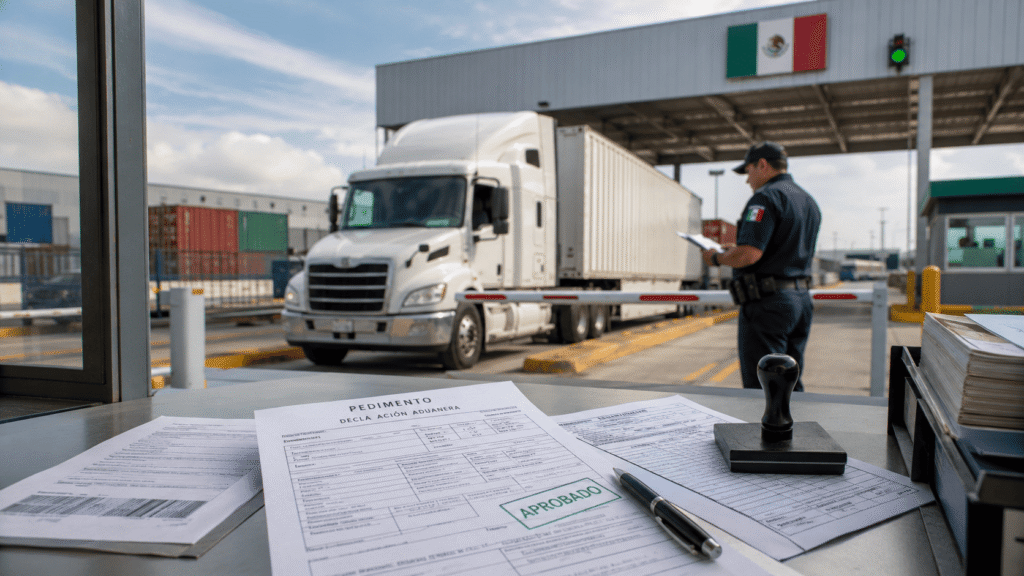
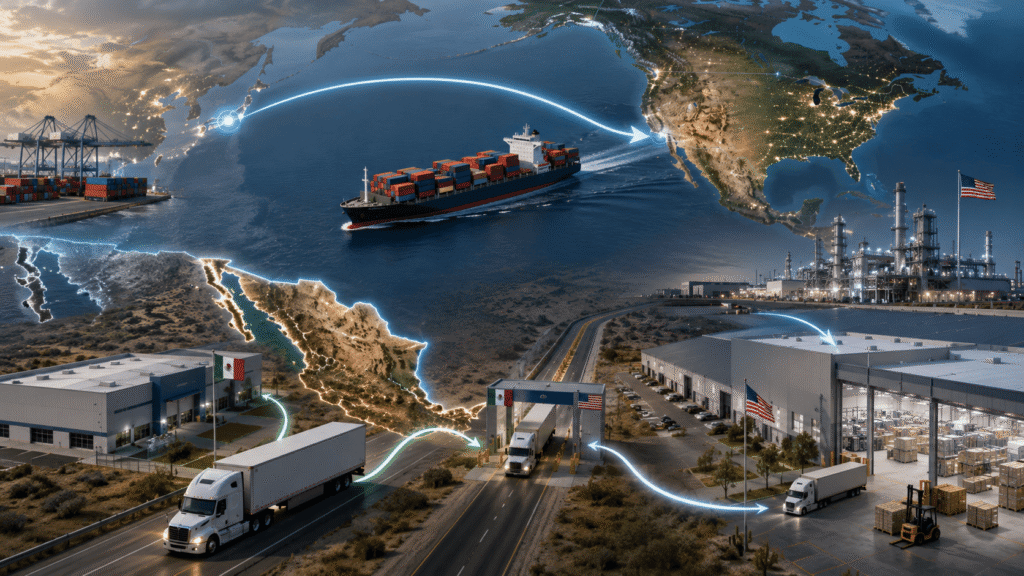
Product rework is not a problem solved once. For U.S. companies distributing near the Southern California border, Loginam provides the nearshore infrastructure to receive, correct, repackage, and reship inventory with minimal lead time.
Our model combines ISO 9001:2015-certified operations and value-added services, including repackaging, kitting, and light assembly, helping businesses correct and redistribute inventory without sending goods back upstream.
Make product rework a recovery tool, not a setback. Talk to our team today!